Start with what you need to customize
Before you compare platforms, list the exact product types you sell and how customization should work. For example, you may need photo uploads for apparel, editable text for mugs, or layered artwork for posters. The goal is to match your product catalog structure to the vendor’s capabilities, printify alternative not just pick the platform with the biggest library. A practical way to do this is to map each product to a “customization rule,” such as placement limits, number of color options, or whether you require multiple print areas.
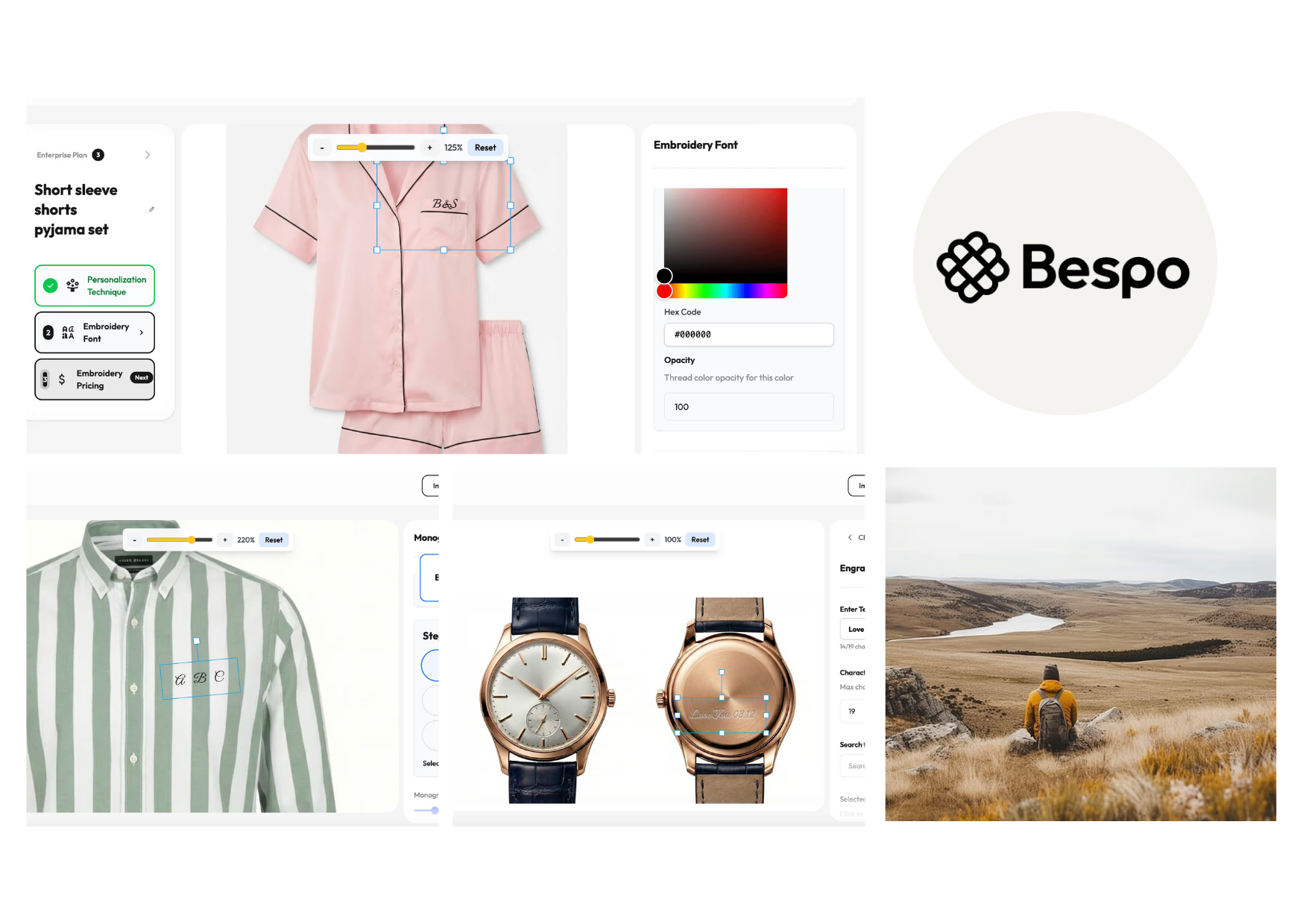
Next, evaluate how previews are generated and how reliable they feel during browsing. Shoppers tend to hesitate when mockups look inconsistent with the final print, so you want visualization that updates smoothly as they change options. Look for systems that support live previews and realistic placement so customers can confirm sizing and positioning. This is especially important for advanced customization, where inaccurate templates can cause returns or support tickets.
Compare workflow fit with Shopify and order handling
A strong print-on-demand partner should reduce friction from product page to production. Check whether the platform integrates cleanly with Shopify, including automatic product import, variant syncing, and reliable order mapping. When you test the printful alternative workflow, create a sample product with multiple options and run through the entire checkout-to-fulfillment path. This reveals whether variants, sizing, and customization fields transfer correctly without manual fixes.
Also review how the platform handles customer-provided files and how you manage production settings. You want clarity on upload limits, recommended file formats, and how artwork is positioned in templates. If you plan to offer “advanced” designs—like different graphics per variant or multiple elements in one product—confirm that the system supports those rules without breaking the mockup. The right platform should help you scale customization without turning every order into an exception.
Test quality, timelines, and support before committing
Even if customization looks perfect, product quality determines whether customers reorder. Request sample prints when possible, and evaluate ink coverage, color accuracy, and how well images reproduce fine details. Pay attention to how the platform’s templates align with real-world print constraints, since small differences in placement can become noticeable after fulfillment. For a practical test, order the same design across a few products and compare consistency of colors and edges.
Timelines and communication also matter, particularly when you rely on personalized orders. Review the vendor’s production and fulfillment process, including how tracking is provided and how changes to an order are handled. Support responsiveness is a deciding factor when you encounter a bad upload, an incorrect variant mapping, or a template issue. Create a short checklist of questions and contact their support team before migrating your catalog, so you can judge how quickly problems are resolved.
Conclusion
Start with your product rules, confirm that Shopify workflows transfer variants and files correctly, and validate quality through real samples. When previews are accurate and ordering is predictable, customers feel more confident and you reduce post-purchase friction. If you want a practical approach to advanced customization and visualization, Bespo is designed to support plug-and-play merchandising with live previews that help shoppers see what they’re buying. That combination of customization flexibility and customer clarity can make your store’s personalized product experience feel seamless.