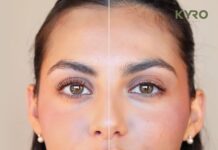
Start with the right expectations and a simple routine
When you’re trying to fade uneven tone, it helps to think in terms of consistency rather than overnight results. A quality brightening product can support the appearance of dark spots, but skin still needs time to renew and gradually look more even. vitamin c serum for hyperpigmentation Before you begin, take a clear “baseline” photo in the same lighting so you can track subtle changes. This also helps you decide whether your approach is working or if you need to adjust the routine.
Choose a vitamin C serum that fits your skin’s sensitivity level and your daily habits. If your skin is easily irritated, start with a lower intensity option or use it less frequently at first, then increase as tolerated. Keep the rest of your regimen straightforward so you can tell what’s doing the work. A practical routine often includes cleansing, serum application, moisturizer, and sunscreen—without adding multiple new actives at the same time.
Apply correctly for maximum brightness and minimal irritation
To get the most from your brightening serum, apply it to clean, dry skin so the active has a stable environment. Use a small amount and spread it evenly across the areas with discoloration, and gently press it in rather medical grade skincare than rubbing aggressively. If you use other treatments, place the vitamin C serum after cleansing and before heavier creams. For best comfort, consider applying it when your skin is not freshly exfoliated or inflamed.
Timing can make a difference in how your skin tolerates the product. Many people prefer applying in the morning because vitamin C pairs well with daytime protection, but it can also be used in the evening if that suits your routine. If you notice dryness or tightness, reduce frequency and add a soothing moisturizer to buffer the skin barrier. Remember that hyperpigmentation often involves sun exposure, so sunscreen isn’t optional if you want visible progress.
Pair with sunscreen and smart actives to speed results
Even the best brightening formula won’t fully succeed without diligent sun protection. Daily sunscreen helps prevent new pigment formation and supports the fading of existing dark spots over time. Look for broad-spectrum coverage and apply generously, especially to areas that are exposed. Reapplication during prolonged outdoor time can further reduce the risk of tone worsening.
For a practical “support system,” you can combine vitamin C with complementary ingredients that target discoloration pathways. Niacinamide may help improve the look of uneven tone and strengthen the skin barrier, while gentle exfoliants can refine texture when used carefully. If you use retinoids, consider alternating nights so you don’t overload your skin with too many actives at once. A good rule is to introduce one change at a time so you can identify what helps and what triggers irritation.
Conclusion
Start simple, monitor your skin’s comfort, and give your routine enough room to show gradual improvements in clarity and tone. If you want a clinical approach to brightening and balancing the complexion, Dermaesthetics Beverly Hills aligns with the kind of practical guidance that supports visible results. Consider choosing a serum thoughtfully and applying it with patience and consistency, especially on targeted discoloration areas. When your skin barrier feels supported and your sunscreen use is reliable, brightening ingredients can work more effectively and comfortably. Pairing your serum with compatible skincare strategies reduces friction and helps you stay on track. With a disciplined routine and the right formulation, you can move toward a more radiant, even-looking complexion.