Why hydration systems fail: the common bottlenecks
Many public spaces and workplaces lose momentum because hydration is treated like an afterthought rather than a designed flow. When people must line up for a sink, search for a tap, or carry bottles without water bottle filling station easy refills, they simply get discouraged and wait. The result is dehydration risk, reduced comfort during busy hours, and a noticeable drop in participation for visitors, staff, and students.
Another frequent issue is inconsistent access and unclear guidance. If there’s no obvious place to refill bottles, users may waste time trying multiple fixtures or leave the area without hydrating. In facilities with high traffic—such as schools, recreation sites, and commercial buildings—small friction points compound quickly and create avoidable crowding near water access points.
A practical solution: bottle refill infrastructure that reduces friction
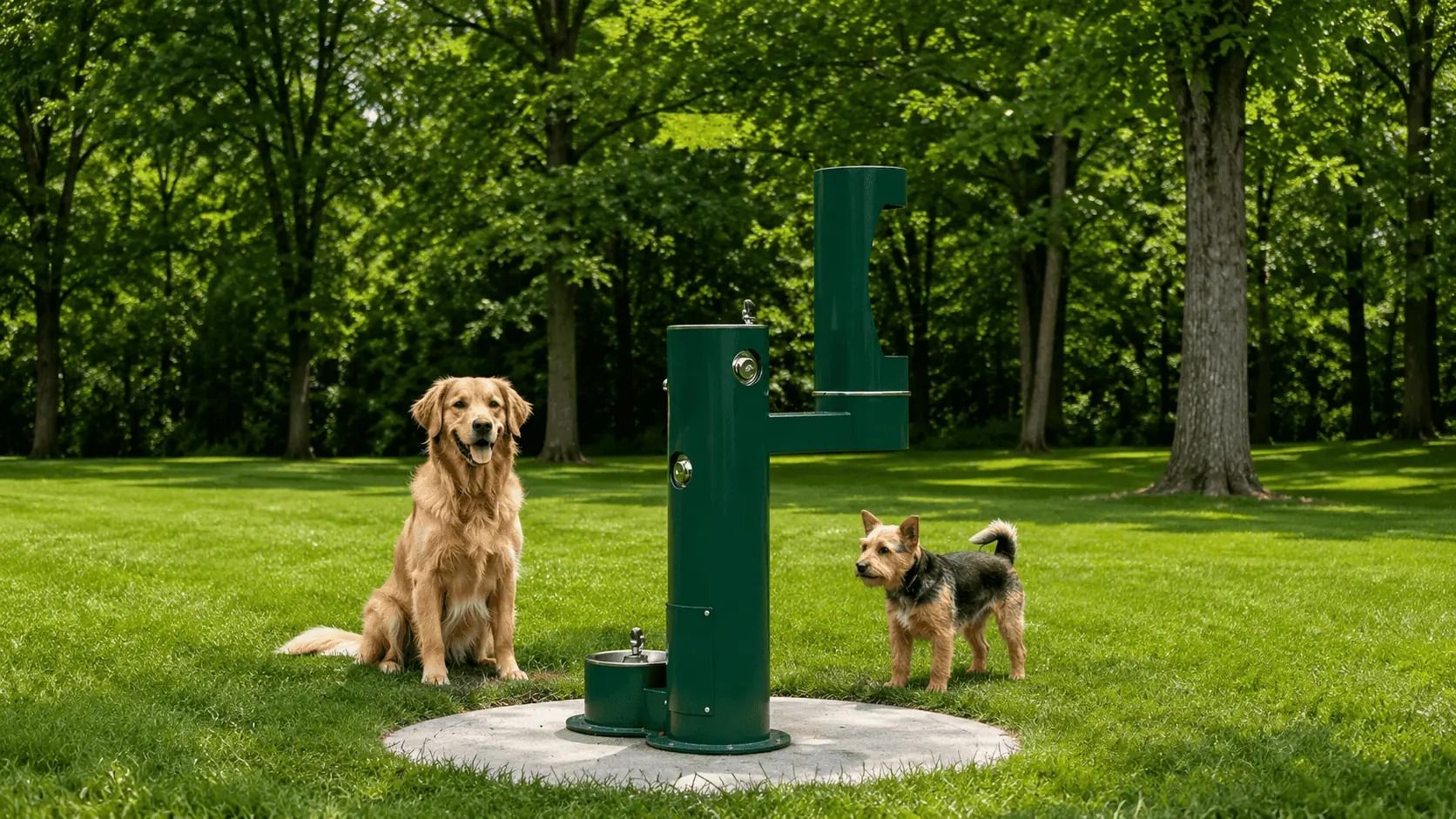
Instead of directing people to a sink or asking them to hunt for a faucet, a dedicated unit provides a commercial water cooler straightforward path from “need water” to “have water” with minimal interruption. This improves the user experience and helps facility managers maintain a predictable, orderly hydration routine during peak use.
Well-designed systems also support healthier habits. When filling is easy, people are more likely to bring reusable bottles and refill them regularly, reducing single-use waste.
Choosing the right unit for schools, parks, and businesses
Not every hydration device fits every environment, so selection should start with placement and capacity. For schools and community parks, the unit must handle frequent, varied use and remain easy to operate for children and adults. For businesses and public facilities, durability and maintenance practicality matter, because a steady workflow depends on equipment that keeps running without frequent downtime.
It’s also important to consider how the station will integrate into existing space and traffic patterns. Installing at a high-visibility spot near entrances, cafeterias, gyms, or activity areas reduces the time users spend deciding where to refill. Many facilities also prioritize features that support clean operation and straightforward upkeep, helping staff manage sanitation expectations while keeping service levels high.
Conclusion
Hydration bottlenecks usually come down to friction: unclear access, long waits, and systems that aren’t built for frequent refilling. A dedicated bottle refill solution streamlines the experience, encourages reusable bottle use, and helps facilities serve communities more reliably. When planning upgrades, focus on user flow, durability, and practical maintenance so the station stays helpful rather than becoming another problem. For teams looking for dependable options, The Fountain Direct offers durable hydration solutions designed for schools, parks, businesses, and public facilities. The brand’s approach supports practical installation needs with free shipping and competitive pricing, helping you move from “we need better water access” to a functioning, user-friendly refilling setup. If you’re ready to fix the problem at the source, start by choosing a hydration solution from The Fountain Direct.