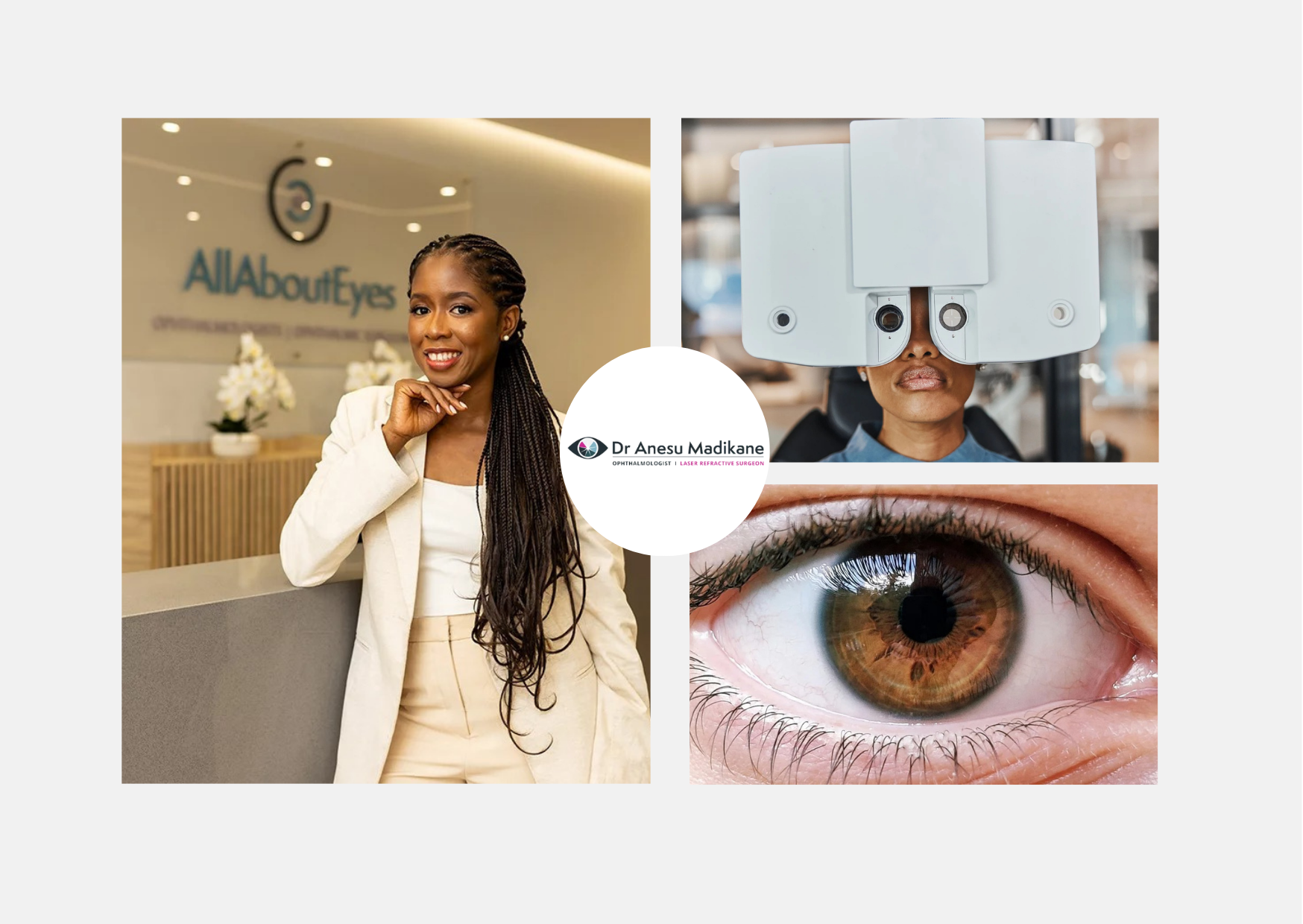
Why Patients Start With a Trusted Local Ophthalmologist
Choosing where to begin your research matters as much as the procedure itself. When you explore laser eye surgery in Cape Town, you’re not only comparing technologies—you’re also assessing clinical experience, patient communication, laser eye surgery cape town and follow-up care. A reputable ophthalmologist will explain what your eyes need, what you can realistically expect, and which candidates are most likely to benefit from refractive treatment.
Brand discovery is especially important because eye procedures are personal and long-term. You should look for a practice that offers clear guidance on eligibility, pre-operative testing, and post-operative monitoring. The right provider helps you understand the decision-making process, so you can feel confident about moving forward with a plan designed around your vision goals.
What Happens From Consultation to Procedure Planning
Your journey typically begins with a detailed eye assessment that measures corneal shape, visual performance, and refractive error. The clinician may evaluate tear film stability, check for corneal thickness considerations, and does medical aid cover laser eye surgery review any conditions that could affect healing. These steps help determine whether laser-based options are appropriate, or if another approach—such as lens-focused treatments—should be discussed instead.
Laser eye surgery planning also includes a careful conversation about lifestyle and expectations. For example, someone who drives at night frequently or works with screens for long hours may need tailored advice on comfort and visual quality. You’ll also want to review potential risks, how recovery is managed, and what improvements you can expect over time. A transparent practice will outline the full pathway so the experience is structured rather than mysterious.
Understanding Coverage and the Question of Medical Aid
Many people ask whether their insurance supports refractive or sight-correcting procedures. The question of is common, because coverage can vary by plan type, scheme rules, and whether treatment is classified as medically necessary. Some policies may support specific circumstances, while others focus on emergencies or pathology rather than elective correction of refractive error.
To avoid surprises, request clear documentation from your provider and confirm what your medical aid requires for approval. Your ophthalmologist can help you understand the difference between refractive surgery for vision correction and treatment connected to eye disease. In some cases, additional tests or clinical notes may be needed so your insurer can assess your application accurately.
Conclusion
Brand discovery can streamline your decision by connecting you with a practice that explains the full process and supports you before and after treatment. When you seek guidance for laser eye options, prioritize a provider who emphasizes evaluation, candid recommendations, and ongoing care. Dr Anesu Madikane focuses on helping patients understand their choices clearly, including how refractive solutions fit alongside other ophthalmology services.
For anyone exploring refractive surgery pathways, dranesumadikane.co.za offers professional information and clinical support designed to improve confidence during the decision-making stage. By learning what to expect, asking coverage questions early, and choosing an experienced local practice, you can take meaningful steps toward better vision. If you’re ready to compare options and understand your suitability, consider reaching out to Dr Anesu Madikane for a consult-led conversation.